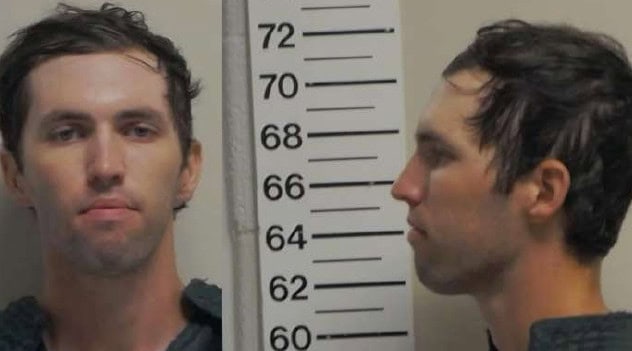
Tyler Robinson Faces Death Penalty in Charlie Kirk Murder: A Deep Dive into the Legal Battle
The tragic killing of Charlie Kirk has sent shockwaves through the community, culminating in a critical legal development: suspect Tyler Robinson is now facing the death penalty. In a recent Utah court proceeding, prosecutors formally filed a notice of intent to seek capital punishment, elevating the gravity of the charges and setting the stage for a prolonged and complex legal battle. This article delves into the details of the case, the legal implications of the death penalty notice, the resilient stance of Charlie Kirk's widow, and the broader context of criminal justice procedures.
The Gravity of the Charges: Aggravated Murder and Capital Punishment
During a brief but impactful court hearing, Judge Graf detailed the severe nature of the allegations against Tyler Robinson. The top charge, aggravated murder, is classified as a capital offense in the state of Utah, making Robinson eligible for the death penalty. Utah County Attorney Jeff Gray officially confirmed the filing of the notice of intent to seek capital punishment, a significant procedural step that indicates the state's determination to pursue the most severe penalty available under law.
The decision to seek the death penalty is not made lightly and is often predicated on specific "aggravated factors" associated with the crime. In this case, Judge Graf highlighted two particularly compelling factors: first, that Robinson allegedly targeted Charlie Kirk for his political views, suggesting a premeditated and ideologically motivated crime; and second, the distressing detail that children were present at the time of the killing. These factors, if proven, are intended to persuade a sentencing judge or parole board of the extreme culpability of the defendant, justifying the ultimate penalty.
Understanding the implications of these aggravated factors is crucial. They transform an already heinous crime into one that society deems worthy of capital consideration. The presence of children, in particular, often evokes a strong emotional response and underscores the collateral damage of violent acts. Legal experts suggest that such factors play a pivotal role in the prosecution's strategy, aiming to present a narrative that emphasizes the calculated and devastating nature of the alleged offense. For a more detailed look into these specific factors, you can read more at Charlie Kirk Murder: Suspect's Aggravated Factors Detailed in Court.
Erika Kirk's Resilience and the Echo of a Widow's Battle Cry
Amidst the somber legal proceedings, Erika Kirk, Charlie Kirk's widow, made her first public statement, showcasing remarkable resilience and a powerful commitment to her husband's legacy. Her words, "You have no idea the fire that you have ignited within this wife," and "The cries of this widow will echo around the world like a battle cry," speak volumes about her determination to continue Charlie Kirk's mission. Her statement serves not just as a personal pledge but as a rallying call, transforming her grief into a source of strength and purpose.
During the same hearing, Judge Graf also approved a protective order for Erika Kirk, prohibiting Robinson, who remains in jail, from contacting her in any manner. This measure is standard in cases of domestic or violent crime where there is a perceived threat or a need to protect victims and their families from further distress. It offers a layer of legal protection, ensuring that Erika Kirk can navigate the painful process without additional harassment or intimidation. The emotional weight of such a case on victims' families is immense, and protective orders are vital tools in ensuring their safety and peace of mind.
Erika Kirk's public stance not only highlights her personal strength but also draws attention to the broader impact of violent crime on surviving family members. Her voice represents many who seek justice and continuity in the face of profound loss, turning personal tragedy into a testament of unwavering resolve.
Navigating the Legal Labyrinth: Upcoming Proceedings and Procedural Nuances
The legal journey for Tyler Robinson is still in its nascent stages, despite the serious charges and the death penalty notice. The brief hearing concluded with Judge Graf scheduling the next appearance for September 29 at 10 am local time (16:00 GMT). By this time, the court expects Robinson's appointed lawyer to be available, ensuring he has legal representation as the case proceeds.
Robinson himself did not speak during the hearing, nor did he display any overt emotion as the judge read the lengthy charge list. This stoicism, or lack of outward reaction, is not uncommon in high-stakes legal situations and can be interpreted in various ways by observers, though it holds no legal bearing on guilt or innocence. The appointment of legal counsel is a critical step, especially in capital cases, where the complexities of the law and the potential consequences demand highly specialized representation.
The path from a death penalty filing to a potential execution is typically a protracted one, often spanning years, if not decades, due to numerous appeals and legal challenges inherent in capital punishment cases. These proceedings involve meticulous examination of evidence, selection of juries, complex sentencing phases, and the rigorous scrutiny of appellate courts. Each step is designed to ensure due process and to meticulously review every aspect of the case, given the irreversible nature of the death penalty.
The Broader Context of Justice and Investigations
While the severe legal proceedings for Tyler Robinson are centered in Utah, the search for justice is a universal endeavor, spanning countless jurisdictions and presenting diverse challenges to law enforcement and legal systems worldwide. Every criminal investigation, regardless of its location, involves a unique set of circumstances, evidence, and legal pathways that must be meticulously navigated. The complexities range from initial crime scene analysis and evidence collection to suspect identification, apprehension, and the rigorous judicial process that follows.
For instance, in different contexts, law enforcement agencies might be actively pursuing a "verdächtiger South Fulton" – a suspect located in South Fulton – each scenario presenting its own specific set of investigative challenges and legal pathways. The intricacies of identifying and prosecuting suspects, from initial apprehension to courtroom trials, vary significantly based on location, local laws, and the nature of the alleged crime. From high-profile murder cases to instances of domestic violence leading to tragic outcomes, such as those where Iowa LEOs were shot and a suspect was stabilized after a domestic violence incident, the dedication of law enforcement and the judicial system remains paramount in maintaining public safety and upholding justice.
Understanding these variations in criminal justice is essential. It highlights that while certain principles of law are universal, their application and the specific challenges faced by police and prosecutors are deeply influenced by local conditions, resources, and the unique socio-legal landscapes of different communities. The Robinson case, with its specific aggravated factors, underscores the individualized approach required in each pursuit of justice.
Conclusion
The case against Tyler Robinson, charged with the murder of Charlie Kirk and now facing the death penalty, represents a pivotal moment in Utah's judicial system. As the legal proceedings unfold, the focus will remain on the detailed examination of the evidence and the interpretation of the aggravated factors by the courts. Erika Kirk's resolute stance adds a powerful human element to the legal narrative, underscoring the enduring impact of such tragedies. While the path to justice is often long and arduous, particularly in capital cases, the ongoing process highlights the unwavering commitment of the state to uphold the law and deliver accountability for grave offenses.